English
  français
  Deutsch
  русский
  español
  português
  العربية
  Melayu
  ไทย
ไทย  Indonesia
  हिंदी
हिंदी 


Anda sering melihat rod dan bar menerajui penggunaan industri, dengan segmen ini dijangka menguasai hampir 44% bahagian pasaran menjelang 2026. Memilih yang betul profil aluminium tersemperit memastikan anda memenuhi piawaian prestasi dan kecekapan operasi yang tinggi. Membuat pilihan termaklum diterjemahkan kepada penjimatan kos, pemasangan yang diperkemas dan kebolehpercayaan jangka panjang dalam projek anda.
Kesimpulan Utama
-
Profil aluminium tersemperit menawarkan kekuatan ringan, rintangan kakisan dan fleksibiliti reka bentuk yang mengurangkan kos dan memudahkan pemasangan.
-
Memilih jenis profil yang betul—pepejal, berongga, pengapit atau tersuai—bergantung pada kekuatan, berat dan keperluan reka bentuk projek anda.
-
Memilih aloi dan temperamen aluminium yang betul memastikan profil tersebut memenuhi keperluan kekuatan dan ketahanan anda.
-
Profil modular dan tersuai menjimatkan masa dan tenaga kerja dengan membolehkan pemasangan dan pengubahsuaian mudah tanpa kimpalan.
-
Bekerjasama dengan pembekal dan jurutera lebih awal untuk mengoptimumkan reka bentuk, mengimbangi kos dan prestasi, serta memastikan kejayaan projek.
Gambaran keseluruhan profil aluminium tersemperit
Apakah profil aluminium yang diekstrusi?
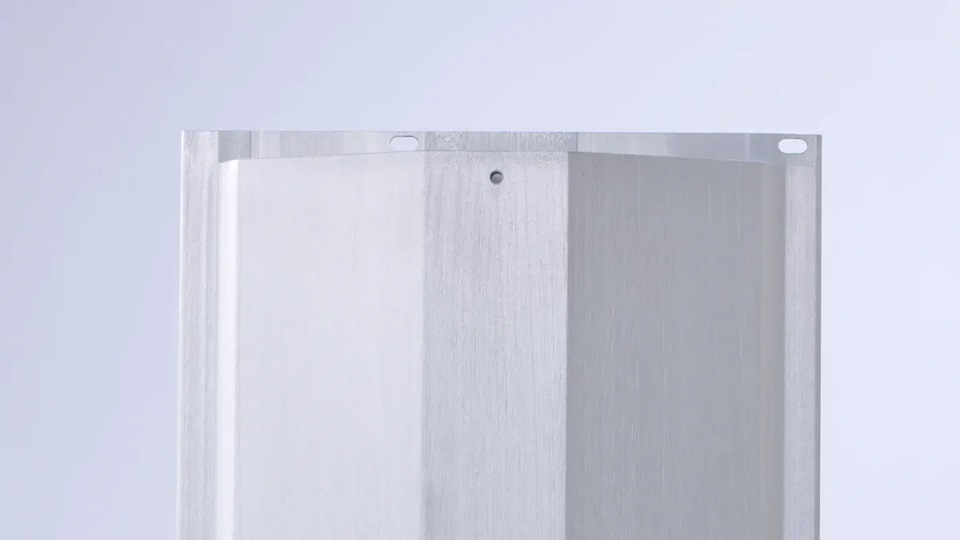
Anda akan menemui profil aluminium tersemperit dalam hampir setiap persekitaran perindustrian. Profil ini merupakan bentuk panjang dan berterusan yang dihasilkan dengan memaksa aluminium yang dipanaskan melalui acuan yang direka khas. Proses ini memberikan anda keratan rentas yang konsisten dan membolehkan pelbagai bentuk dan saiz. Kategori utama yang akan anda temui termasuk:
-
Profil pepejal: Ini tidak mempunyai lompang dalaman dan termasuk rod, rasuk, bar rata dan sudut.
-
Profil berongga: Ini mempunyai ruang tertutup sepenuhnya, seperti tiub segi empat sama atau bulat, yang menawarkan nisbah kekuatan-kepada-berat yang kuat.
-
Profil separa berongga: Ini mempunyai ruang separa tertutup, seperti saluran-C, yang mengimbangi kekuatan dan penjimatan bahan.
-
Profil tersuai atau khusus: Ini direka bentuk untuk fungsi unik, seperti sistem slot-T untuk pemasangan modular.
Proses pembuatan melibatkan beberapa langkah yang tepat. Pertama, anda memanaskan bilet aluminium dan menekannya melalui acuan menggunakan ram hidraulik. Seterusnya, anda menyejukkan dan memadamkan profil untuk menstabilkan strukturnya. Kemudian, anda meregangkan profil untuk kelurusan, memotongnya mengikut panjang yang diperlukan dan menggunakan rawatan haba untuk meningkatkan sifat mekanikalnya.
Petua: Memahami kategori profil dan proses pembuatan membantu anda memilih penyelesaian yang tepat untuk permintaan projek anda.
Kaitan dan faedah perindustrian
Anda mendapat beberapa kelebihan apabila memilih profil aluminium tersemperit untuk operasi anda. Profil ini beratnya kira-kira 66% lebih rendah daripada keluli, menjadikannya mudah dikendalikan dan diangkut. Aluminium secara semula jadi membentuk lapisan oksida pelindung, jadi anda mendapat manfaat daripada rintangan kakisan yang sangat baik. Anda juga boleh meminta bentuk tersuai, yang memberikan anda fleksibiliti dalam reka bentuk dan pemasangan.
|
Hartanah |
Kelebihan |
|---|---|
|
Berat |
66% lebih ringan daripada keluli |
|
Rintangan Kakisan |
Lapisan oksida pelindung |
|
Fleksibiliti Reka Bentuk |
Bentuk tersuai untuk keperluan yang kompleks |
Anda juga mengurangkan kos dan meningkatkan kecekapan. Profil yang ringan tetapi kukuh mengurangkan perbelanjaan pengangkutan dan penggunaan tenaga. Reka bentuk modular membolehkan anda memasang dan mengubah suai struktur dengan cepat, menjimatkan masa dan tenaga kerja. Kekonduksian dan kebolehkitaran semula yang unggul meningkatkan lagi prestasi dan kemampanan sistem.
Jenis profil aluminium tersemperit
Profil pepejal (bar, rod, rata, heksagon)
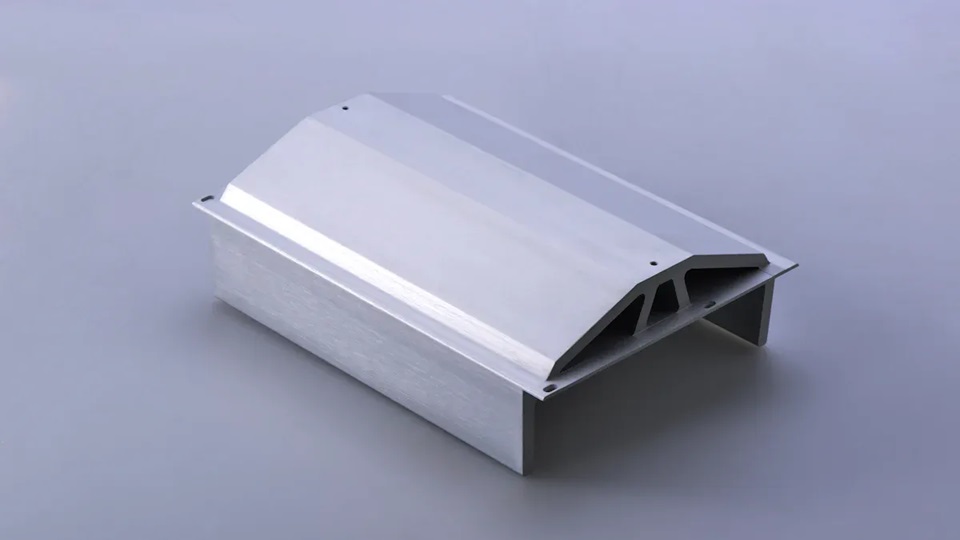
Anda bergantung pada profil pepejal untuk sokongan struktur dan ketahanan dalam persekitaran perindustrian. Profil ini termasuk bar, rod, keratan rata dan bentuk heksagon. Anda menemuinya dalam aplikasi struktur umum, di mana kekuatan dan rintangan haus paling penting. Profil pepejal lebih mudah dihasilkan dan menawarkan reka bentuk ringkas yang sesuai dengan pelbagai kegunaan.
Profil aluminium menyediakan sokongan struktur dalam persekitaran pengeluaran. Ia adalah penting untuk penyepaduan fungsi dalam pelbagai aplikasi perindustrian.
|
Jenis Profil |
Aplikasi Lazim |
|---|---|
|
Profil Pepejal |
Aplikasi struktur umum dalam pelbagai industri. |
|
Profil Separuh Berongga |
Perkakasan tingkap dan pintu, sistem trek gelongsor. |
|
Profil Tersuai |
Slot-T untuk pengikat, pelindung mesin, rangka modular. |
Anda memilih profil aluminium tersemperit yang kukuh apabila anda memerlukan kekuatan tinggi untuk tugas menanggung beban. Profil ini membantu anda membina rangka kerja, tapak mesin dan struktur sokongan.
Profil berongga (tiub, segi empat tepat, segi empat sama, bar-Z)
Profil berongga memberikan anda penyelesaian ringan dengan nisbah kekuatan-ke-berat yang mengagumkan. Anda dapat melihat tiub, keratan segi empat tepat dan segi empat sama, dan profil bar-Z yang digunakan dalam aplikasi struktur di mana pengurangan berat adalah penting. Rongga dalaman menjadikan profil ini serba boleh untuk bentuk kompleks dan penggunaan bahan yang cekap.
|
Jenis Profil |
Ciri-ciri Utama |
Aplikasi |
|---|---|---|
|
Profil Berongga |
Ringan kerana rongga dalaman |
Aplikasi struktur yang memerlukan pengurangan berat |
|
|
Nisbah kekuatan-kepada-berat yang tinggi |
|
|
|
Reka bentuk serba boleh untuk bentuk kompleks |
|
|
Profil Pepejal |
Kekuatan tinggi sesuai untuk aplikasi tugas berat |
Aplikasi galas beban |
|
|
Tahan lama dan tahan haus dan lusuh |
|
|
|
Reka bentuk ringkas, lebih mudah dihasilkan |
|
Anda memilih profil aluminium tersemperit berongga untuk rangka kerja, paip dan penutup. Profil bar-Z menawarkan geometri unik untuk pemasangan dan tetulang khusus.
Profil pengapit dan saluran
Profil pengapit menguatkan panel dan komponen, menjadikannya sesuai untuk perlindungan keras dalam sistem perindustrian. Anda menggunakannya untuk memegang penghadang keselamatan dan penutup mesin dengan kukuh. Profil saluran membawa dan melindungi kabel, memastikan pengurusan kabel yang selamat dan teratur di kemudahan anda.
-
Profil pengapit direka khusus untuk memegang panel dengan selamat, menjadikannya sesuai untuk aplikasi pengawal keras dalam sistem perindustrian.
-
Profil saluran berfungsi untuk membawa dan melindungi kabel dalam persediaan perindustrian.
Anda mendapat manfaat daripada evolusi profil ini. Profil pengapit dan saluran moden menekankan modulariti dan penyesuaian, memenuhi permintaan untuk reka bentuk yang boleh disesuaikan. Anda mendapati ia penting dalam robotik, di mana fleksibiliti, kekuatan dan pengurusan kabel yang cekap adalah penting.
-
Profil penyemperitan aluminium digunakan dalam robotik kerana fleksibiliti, kekuatan dan kecekapannya.
-
Modulariti dan penyesuaian ditekankan untuk memenuhi permintaan bagi reka bentuk yang boleh disesuaikan.
-
Pengurusan kabel yang berkesan adalah penting untuk sistem robotik moden.
Profil tersuai dan modular
Profil tersuai dan modular membolehkan anda menyesuaikan penyelesaian untuk aplikasi perindustrian khusus. Anda memasang dan mengubah suai struktur dengan mudah, menjimatkan masa dan mengurangkan kos buruh. Profil ini memberikan kekuatan dan kestabilan sambil kekal ringan.
-
Membolehkan pemasangan dan pengubahsuaian yang mudah
-
Memberikan kekuatan dan kestabilan sambil kekal ringan
-
Menjimatkan masa dan mengurangkan kos buruh
Anda mendapat manfaat daripada fleksibiliti reka bentuk, kekuatan mekanikal dan rintangan kakisan. Profil aluminium tersemperit tersuai sesuai dengan persekitaran yang mencabar dan keperluan yang kompleks. Anda menggunakannya untuk tingkap, bingkai industri, jentera, komponen pengangkutan dan penutup elektronik.
-
Ringan – pengendalian dan pemasangan yang lebih mudah disebabkan oleh berat spesifik yang lebih rendah.
-
Kekuatan mekanikal dan rintangan kakisan – sesuai untuk persekitaran yang mencabar.
-
Fleksibiliti reka bentuk – membolehkan bahagian yang kompleks dan dibuat khas.
-
Kemampanan – 100% boleh dikitar semula tanpa kehilangan prestasi.
Anda membina sistem rangka modular dengan cekap, menghapuskan keperluan kimpalan dan memerlukan peralatan profesional yang minimum.
-
Pembinaan sistem rangka modular yang mudah dan cekap
-
Menghilangkan keperluan untuk kimpalan
-
Memerlukan alat profesional yang minimum
Profil pecahan dan metrik
Profil pecahan dan metrik memastikan keserasian dengan piawaian pembuatan global. Anda memilih profil pecahan untuk sistem berdasarkan ukuran imperial dan profil metrik untuk projek antarabangsa. Geometri slot dan penguliran pengikat berbeza antara kedua-duanya, jadi anda mesti memadankan profil dan aksesori untuk mengelakkan salah jajaran dan kelengkapan yang tidak selamat.
|
Faktor |
Sistem Pecahan |
Sistem Metrik |
|---|---|---|
|
Dimensi Profil |
1.5" (38.1mm) |
40mm |
|
Geometri Slot |
~8.18mm |
8mm |
|
Pengikat Threading |
Benang UNC (cth., 16-18/5) |
Benang metrik (cth., M8) |
-
Pencampuran profil menyebabkan ketidaksejajaran, menjejaskan integriti struktur.
-
Geometri slot yang berbeza mengakibatkan kelengkapan longgar atau ketat, yang menjejaskan keselamatan.
-
Pengikat yang tidak serasi menghalang pemasangan yang betul, lalu mewujudkan sambungan yang tidak berfungsi.
Anda memilih sistem yang betul untuk memastikan penyepaduan yang lancar dan pemasangan yang selamat dalam projek anda. Profil aluminium tersemperit dalam saiz pecahan dan metrik membantu anda memenuhi piawaian tempatan dan antarabangsa.
Kriteria perbandingan untuk profil
Kekuatan dan ketahanan
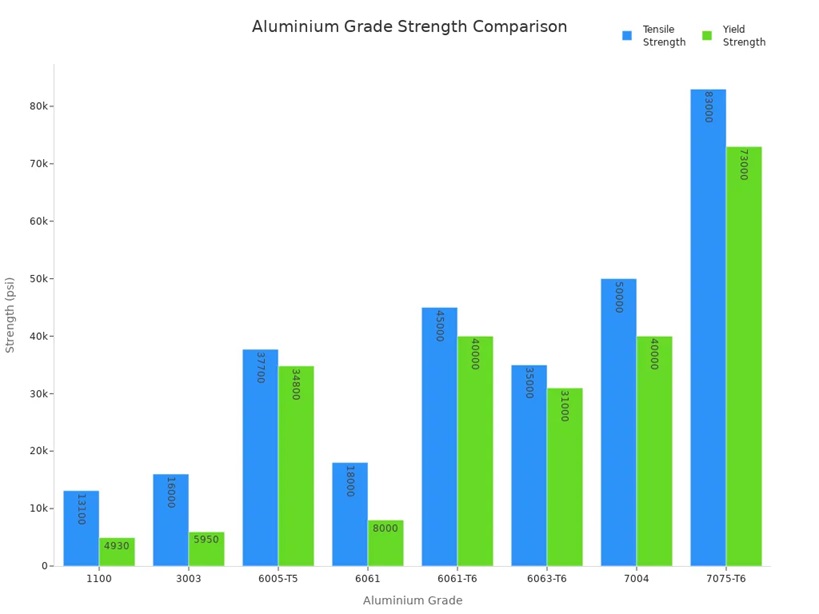
Anda mesti menilai kekuatan dan ketahanan setiap profil sebelum membuat pilihan. Komposisi bahan dan rawatan haba menentukan kekuatan awal. Gred aluminium yang berbeza memberikan kekuatan tegangan dan alah yang berbeza-beza, yang memberi kesan kepada kapasiti galas beban dan prestasi jangka panjang. Contohnya, 7075-T6 menawarkan kekuatan yang luar biasa, menyaingi keluli, manakala 6061 dan 6063 menyediakan fleksibiliti untuk aplikasi umum.
|
Gred |
Kekuatan Tegangan (psi) |
Kekuatan Hasil (psi) |
|---|---|---|
|
1100 |
13,100 |
4,930 |
|
6061-T6 |
45,000 |
40,000 |
|
7075-T6 |
83,000 |
73,000 |
Untuk persekitaran bertekanan tinggi, anda harus mempertimbangkan aloi seperti 7075-T6. Bagi projek yang memerlukan keseimbangan kekuatan dan kebolehmesinan, 6061-T6 ialah pilihan yang boleh dipercayai.
Berat dan kecekapan bahan
Anda mendapat kelebihan yang ketara dengan memilih profil dengan berat dan kecekapan bahan yang optimum. Profil ringan mengurangkan kos pengangkutan dan pemasangan. Reka bentuk berongga dan berbilang ruang memaksimumkan kekuatan sambil meminimumkan penggunaan bahan. Kecekapan ini penting dalam industri automotif dan aeroangkasa, di mana setiap paun dikira.
-
Nisbah kekuatan kepada berat merupakan faktor utama bagi aplikasi yang memerlukan berat minimum.
-
Profil berbilang ruang meningkatkan ketegaran tanpa menambah jisim yang tidak perlu.
Ketebalan dan ruang lompang
Ketebalan dinding dan lompang dalaman secara langsung mempengaruhi integriti struktur. Dinding yang lebih tebal membolehkan lengkungan yang lebih ketat dan mengurangkan kepekatan tegasan, sekali gus meningkatkan jangka hayat lesu. Ketebalan dinding yang seragam memastikan kekuatan yang konsisten dan meminimumkan kecacatan. Profil berbilang ruang meningkatkan ketegaran dan penebat haba, manakala sudut dalaman yang tajam boleh menyebabkan kegagalan lesu awal.
|
Aspek |
Kesan terhadap Integriti Struktur |
|---|---|
|
Ketebalan Dinding |
Dinding yang lebih tebal membolehkan jejari sudut yang lebih ketat, mengurangkan tekanan dan meningkatkan jangka hayat keletihan. |
|
Lompang Dalaman |
Profil berbilang ruang meningkatkan ketegaran dan penebat; sudut tajam meningkatkan titik tekanan. |
-
Dinding yang lebih tebal bertolak ansur dengan lengkungan yang lebih ketat.
-
Ketebalan yang seragam mengurangkan risiko kecacatan.
-
Elakkan sudut dalaman yang tajam untuk mengelakkan keletihan awal.
Kos dan kebolehkilangan
Anda mesti mempertimbangkan kos awal dan jangka panjang. Harga bahan mentah, kerumitan acuan dan jumlah pesanan, semuanya mempengaruhi harga akhir. Acuan tersuai meningkatkan perbelanjaan pendahuluan, manakala jumlah pengeluaran yang lebih tinggi menurunkan kos seunit. Pemprosesan sekunder, seperti anodisasi, menambah jumlah keseluruhan. Kitar semula aluminium boleh mengimbangi kos disebabkan oleh nilai skrapnya yang tinggi.
|
Faktor Kos |
Penerangan |
|---|---|
|
Bahan Mentah |
60-70% daripada jumlah kos, tertakluk kepada perubahan pasaran |
|
Acuan dan Peralatan |
$400–$2,000+ bergantung pada kerumitan |
|
Pemprosesan Sekunder |
$1,200–$1,400 setiap tan metrik untuk kemasan |
|
Nilai Skrap |
Kos imbangan, $0.85 setiap paun |
Profil standard mungkin menawarkan kos pendahuluan yang lebih rendah, tetapi penyemperitan tersuai boleh meningkatkan kecekapan pemasangan dan mengurangkan pembaziran dari semasa ke semasa.
Kesesuaian aplikasi
Anda perlu memadankan profil tersebut dengan keperluan aplikasi anda. Pertimbangkan beban, kaedah pemasangan, pendedahan persekitaran dan sebarang keperluan penghalaan dalaman. Contohnya, profil berlubang-T berfungsi dengan baik untuk bingkai mesin modular, manakala bahagian-H menyediakan kapasiti beban yang tinggi untuk sokongan struktur.
|
Industri |
Jenis Penyemperitan Pilihan |
Pertimbangan Utama |
|---|---|---|
|
Pembinaan |
Pepejal, separa berongga |
Kekuatan, rintangan cuaca |
|
Automotif |
Berongga, tersuai |
Ringan, prestasi kemalangan |
|
Elektronik |
Tersuai (sirip sink haba) |
Pelesapan haba, kekompakan |
|
Suria |
Saluran berongga, slot |
Pemasangan panel, penjimatan berat |
|
Perabot |
Slot-T, hiasan |
Fleksibiliti pemasangan, rupa |
-
Sentiasa nilaikan keperluan khusus projek anda sebelum memilih profil aluminium tersemperit.
Aplikasi perindustrian
Jentera dan automasi
Anda melihat impak profil aluminium dalam jentera dan automasi moden setiap hari. Profil ini membantu anda membina persekitaran pengeluaran yang selamat, cekap dan fleksibel. Anda boleh menggunakannya untuk:
-
Pelindung mesin yang menghasilkan penutup keselamatan yang lutsinar dan tahan lama untuk melindungi pengendali.
-
Sistem penghantar yang profilnya berfungsi sebagai trek, sokongan dan rangka untuk pengendalian bahan.
-
Stesen kerja dan barisan pemasangan yang mendapat manfaat daripada bingkai modular, ergonomik dan boleh laras.
-
Integrasi robot, kerana profil yang ringan dan tegar menyokong lengan robot dan gerakan linear.
-
Lekapan dan perkakas, memandangkan jig dan peranti pemegang tersuai mudah dimesin dan diubah suai.
Anda juga bergantung pada profil ini untuk meja kerja, rangka mesin, penutup keselamatan, troli tersuai dan sistem gerakan linear. Modularitinya membolehkan anda mengkonfigurasi semula susun atur dengan cepat, yang meningkatkan produktiviti dan menyesuaikan diri dengan keperluan yang berubah-ubah.
Pembinaan dan infrastruktur
Anda menggunakan profil aluminium untuk mencipta struktur yang cekap tenaga, tahan lama dan menarik secara visual. Profil ini memainkan peranan penting dalam projek komersial dan kediaman. Aplikasi biasa termasuk:
-
Sistem tingkap dan pintu yang meningkatkan kecekapan tenaga dan rintangan cuaca.
-
Dinding langsir dan fasad yang menyokong panel kaca besar dengan halangan visual yang minimum.
-
Sistem susur tangan dan rel yang menawarkan penyelesaian penyelenggaraan rendah untuk balkoni dan laluan pejalan kaki.
-
Bumbung dan pelapisan yang menyediakan sokongan ringan untuk panel solar dan kemasan luaran.
-
Elemen reka bentuk dalaman seperti dinding pembahagi, grid siling dan ciri-ciri hiasan.
Anda mendapat manfaat daripada fleksibiliti mereka, yang membolehkan reka bentuk seni bina yang inovatif dan amalan bangunan yang mampan.
Pengangkutan dan logistik
Anda bergantung pada profil aluminium untuk mengurangkan berat dan meningkatkan prestasi dalam kenderaan dan peralatan logistik. Aplikasinya merangkumi pelbagai komponen:
|
Kawasan Aplikasi |
Penerangan |
|---|---|
|
Komponen Struktur |
Penguat casis, subrangka dan struktur badan yang mengurangkan berat kenderaan. |
|
Trim Dalaman & Luaran |
Aksen yang anggun dan tahan lama untuk papan pemuka, panel pintu dan acuan. |
|
Pengurusan Haba |
Sinki haba yang direkayasa untuk elektronik kuasa, bateri dan pencahayaan LED. |
|
Aplikasi Kenderaan Elektrik (EV) |
Penutup bateri, stesen pengecas dan perumah motor dengan penebat dan kekonduksian yang sangat baik. |
|
Sistem Keselamatan |
Bampar dan struktur penyerap hentaman yang meningkatkan prestasi perlanggaran sambil meminimumkan berat. |
Anda mencapai kecekapan bahan api, keselamatan dan fleksibiliti reka bentuk yang lebih baik dengan mengintegrasikan profil ini ke dalam penyelesaian pengangkutan anda.
Elektronik dan kandang
Anda bergantung pada profil aluminium untuk melindungi dan mempertingkatkan peranti elektronik. Ciri-cirinya menjadikannya sesuai untuk pelbagai keperluan pengurusan kandang dan haba:
|
Permohonan |
Penerangan |
|---|---|
|
Kandang Peranti |
Perumah tahan lama yang melindungi elektronik daripada gangguan elektromagnet. |
|
Pengurusan Terma |
Sinki haba yang direka bentuk dengan tepat untuk pelesapan haba yang berkesan. |
|
Kebolehgunaan |
Bingkai ringan yang menyokong reka bentuk peranti padat dan mudah alih. |
|
Perisai EMI/RFI |
Perlindungan untuk elektronik sensitif terhadap gangguan elektromagnet. |
|
Elektronik Modular |
Integrasi komponen yang mudah dalam kabinet kawalan dan rak pelayan. |
Anda memastikan kebolehpercayaan, keselamatan dan kemudahan pemasangan dalam produk elektronik anda dengan memilih profil yang betul untuk setiap aplikasi.
Cara memilih profil aluminium yang diekstrusi
Menilai keperluan aplikasi
Anda mulakan dengan menilai permintaan projek anda. Setiap aplikasi memerlukan pertimbangan yang teliti terhadap sifat bahan, keperluan mekanikal dan faktor persekitaran. Jadual berikut menggariskan langkah-langkah penting:
|
Langkah |
Pertimbangan |
|---|---|
|
Pemilihan Aloi |
Pilih berdasarkan kekuatan, rintangan kakisan dan keperluan aplikasi. Contoh: 6061-T6 untuk rangka struktur, 5052 untuk persekitaran marin. |
|
Keperluan Mekanikal |
Nilaikan kekuatan tegangan, kekuatan alah dan had pesongan. Gunakan FEA untuk simulasi prestasi. |
|
Kemasan Permukaan |
Pilih rawatan seperti anodisasi atau salutan serbuk untuk ketahanan dan estetika. |
|
Keadaan Alam Sekitar |
Nilaikan kelembapan, suhu ekstrem dan pendedahan kimia untuk keserasian bahan. |
|
Pertimbangan Bajet |
Seimbangkan kos awal dengan nilai kitaran hayat. Pertimbangkan pembekal tempatan untuk mengurangkan masa tunggu. |
|
Kerjasama Pembekal |
Berhubung dengan pembekal yang berpengetahuan untuk pengoptimuman reka bentuk dan perkhidmatan prototaip. |
Petua: Anda meningkatkan hasil projek dengan memadankan ciri profil dengan keperluan operasi khusus anda.
Mengimbangi bajet dan prestasi
Anda mencapai hasil yang optimum dengan mengimbangi kos dan prestasi. Kos perkakas bergantung pada kerumitan reka bentuk. Reka bentuk yang lebih ringkas mengurangkan perbelanjaan dan mempercepat pengeluaran. Anda mengoptimumkan kebolehkilangan dengan memecahkan profil yang rumit kepada komponen yang lebih ringkas dan mengekalkan simetri dalam keratan rentas. Menggabungkan elemen berfungsi semasa fasa reka bentuk awal dapat mengelakkan pengubahsuaian yang mahal kemudian.
-
Nilaikan sifat aloi berbanding kos untuk memastikan keseimbangan antara prestasi dan bajet.
-
Pertimbangkan keperluan penyelenggaraan masa hadapan, kerana sesetengah aloi mungkin menanggung kos jangka panjang yang lebih tinggi.
-
Fahami batasan setiap aloi agar selaras dengan keperluan projek.
-
Pecahkan profil yang rumit kepada komponen yang lebih ringkas untuk meningkatkan kebolehkilangan.
-
Kekalkan simetri dalam keratan rentas untuk meminimumkan pembaziran bahan.
-
Menggabungkan elemen berfungsi semasa fasa reka bentuk awal untuk mengelakkan pengubahsuaian yang mahal kemudian.
Nota: Anda memaksimumkan nilai dengan mempertimbangkan kos segera dan jangka panjang.
Perundingan pembekal dan jurutera
Anda mendapat manfaat daripada kerjasama dengan pembekal dan jurutera yang berpengalaman. Mereka membantu anda memahami spesifikasi profil dan keperluan beban. Rawatan permukaan meningkatkan ketahanan dan prestasi. Mengimbangi kos dengan prestasi memastikan hasil yang optimum.
-
Libatkan diri dalam perbincangan termaklum dengan pembekal dan jurutera untuk mengenal pasti potensi pengoptimuman kos.
-
Pastikan keperluan penting tidak dikompromi semasa proses pemilihan.
-
Pilih pembekal yang mempunyai kepakaran dalam pilihan pembuatan dan penyesuaian.
-
Memastikan jaminan kualiti dan penghantaran tepat pada masanya daripada pembekal.
Seruan: Anda menjamin kejayaan projek dengan bekerjasama dengan profesional berpengetahuan yang membimbing anda melalui reka bentuk, pemilihan bahan dan pembuatan.
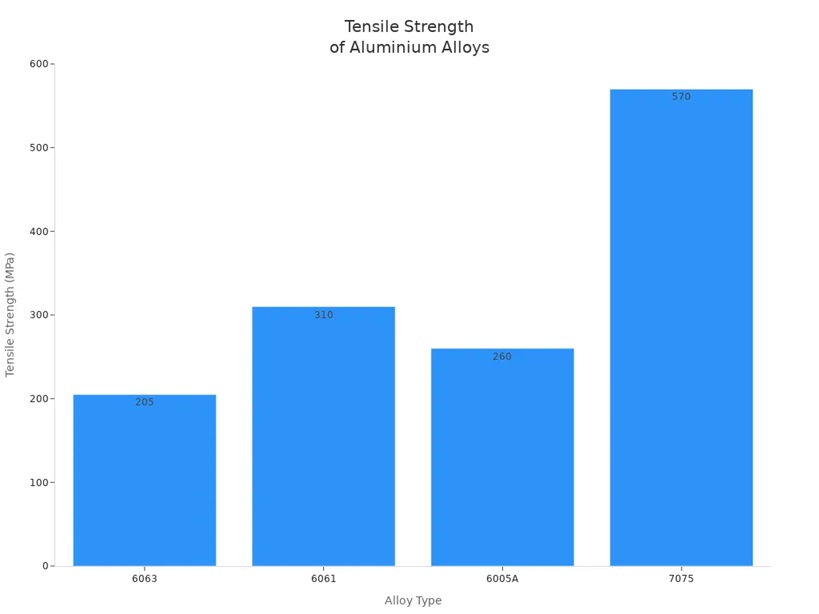
Anda melihat perbezaan yang jelas dalam profil aluminium jenis dan kegunaan perindustriannya. Jadual di bawah menunjukkan bagaimana pilihan aloi memberi kesan kepada kekuatan dan aplikasi:
|
Aloi |
Kekuatan Tegangan (T6) |
Ciri Utama |
Aplikasi Lazim |
|---|---|---|---|
|
6063 |
~205 MPa |
Kemasan permukaan yang sangat baik, sangat boleh diekstrud |
Bingkai tingkap, profil pintu, kemasan seni bina |
|
6061 |
~310 MPa |
Kekuatan yang lebih tinggi, kebolehmesinan yang baik |
Kerangka struktur, kelengkapan marin, aeroangkasa |
|
6005A |
~260 MPa |
Keseimbangan kekuatan dan kebolehekstrusian |
Pengangkutan rel, rel tangga, bahagian struktur |
|
7075 |
~570 MPa |
Kekuatan yang sangat tinggi, lebih sukar untuk diekstrusi |
Komponen aeroangkasa, pertahanan, tekanan tinggi |
Anda harus sentiasa memadankan profil dengan keperluan projek anda. Untuk hasil terbaik:
-
Pilih aloi dan temperamen yang sesuai untuk keperluan anda.
-
Kekalkan berat per kaki dalam had tekan optimum.
-
Rancang pemasangan dan proses hiliran lebih awal.
-
Kongsikan keperluan yang jelas dengan rakan kongsi penyemperitan anda.
Rujuk pakar industri atau pembekal untuk memastikan penyelesaian anda sesuai dengan matlamat prestasi dan bajet.
Soalan Lazim
Apakah kelebihan utama penggunaan profil aluminium tersemperit dalam industri?
Anda mendapat kekuatan yang ringan, rintangan kakisan dan fleksibiliti reka bentuk. Profil ini membantu anda mengurangkan kos dan memudahkan pemasangan. Anda juga boleh mengitar semula aluminium dengan mudah, yang menyokong matlamat kemampanan.
Bagaimanakah anda memilih aloi aluminium yang betul untuk profil anda?
Anda mulakan dengan mengenal pasti keperluan kekuatan, kebolehmesinan dan rintangan kakisan aplikasi anda. Anda membandingkan aloi biasa seperti 6061, 6063 dan 7075. Anda berunding dengan pembekal anda untuk padanan terbaik.
Bolehkah anda menyesuaikan profil aluminium tersemperit untuk projek unik?
Ya, anda boleh meminta bentuk, saiz dan kemasan tersuai. Anda bekerjasama dengan jurutera untuk mereka bentuk profil yang sesuai dengan keperluan tepat anda. Penyesuaian membantu anda mengoptimumkan prestasi dan pemasangan.
Adakah profil aluminium tersemperit sesuai untuk kegunaan luar?
Anda mendapat manfaat daripada lapisan oksida semula jadi aluminium, yang tahan kakisan. Anda boleh meningkatkan ketahanan dengan anodisasi atau salutan serbuk. Rawatan ini menjadikan profil sesuai untuk persekitaran luar dan keras.
 Rangkaian IPv6 disokong